
Blog
This is an AJAX-enabled query block for easily displaying posts in a flexible layout.
Layout Example 1
-
Join Market Forces in calling on Australian banks not to fund fracking in the Beetaloo Basin
In early September 2026, the first gas from the Beetaloo Basin fracking project in the Northern Territory began to flow despite years of protest and legal action by environmental and local community groups. While gas extraction has begun, the company behind the project, Tamboran Resources, needs the backing of Australia’s major banks to operate. Join…
-

Georgina Banks joins ABC’s Compass to reveal the story of 21 nurses killed in WWII
Ethinvest client Georgina Banks and her daughters travelled to Bangka, Indonesia with ABC’s Compass to uncover what happened to her great aunt, one of the 21 Australian World War II nurses murdered by Japanese soldiers in 1942. Banks travelled to the island to learn more about her great-aunt, Army nurse Dorothy “Bud” Elmes, who was…
Layout Example 2
-
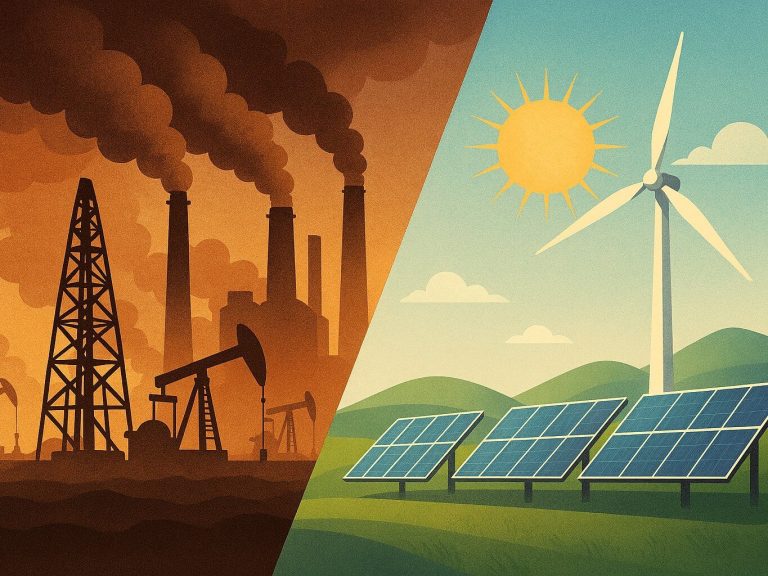
Middle East tensions force Australia to choose: electrostate or petrostate, as Tim Buckley says China’s electrostate dominance shows it is already winning the global energy war
-

Eight years in, a grassroots recycling program has become a beacon of what communities can do
-
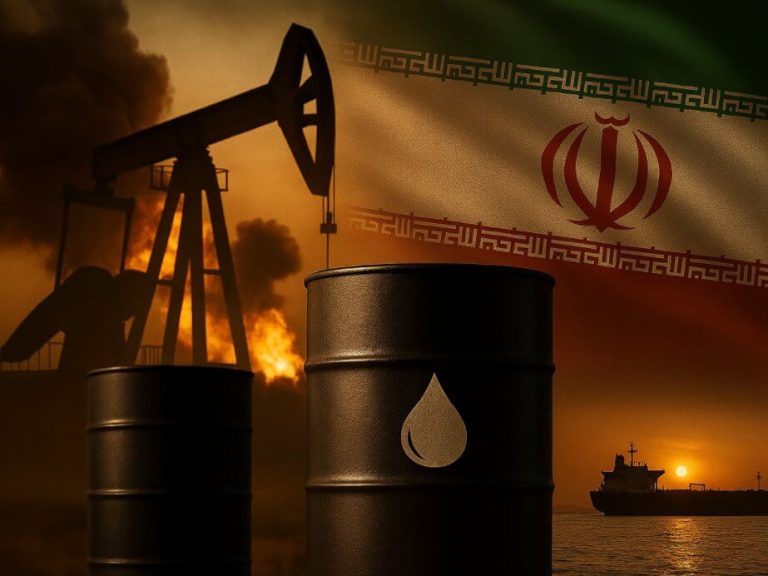
The Middle East conflict exposes our imported oil vulnerability and how electrification can provide energy stability
-
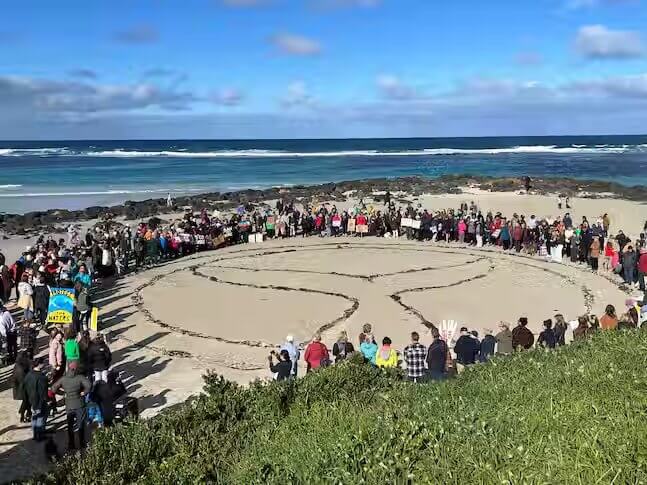
Regulator rejects fifth gas exploration seismic testing project in Victoria
-
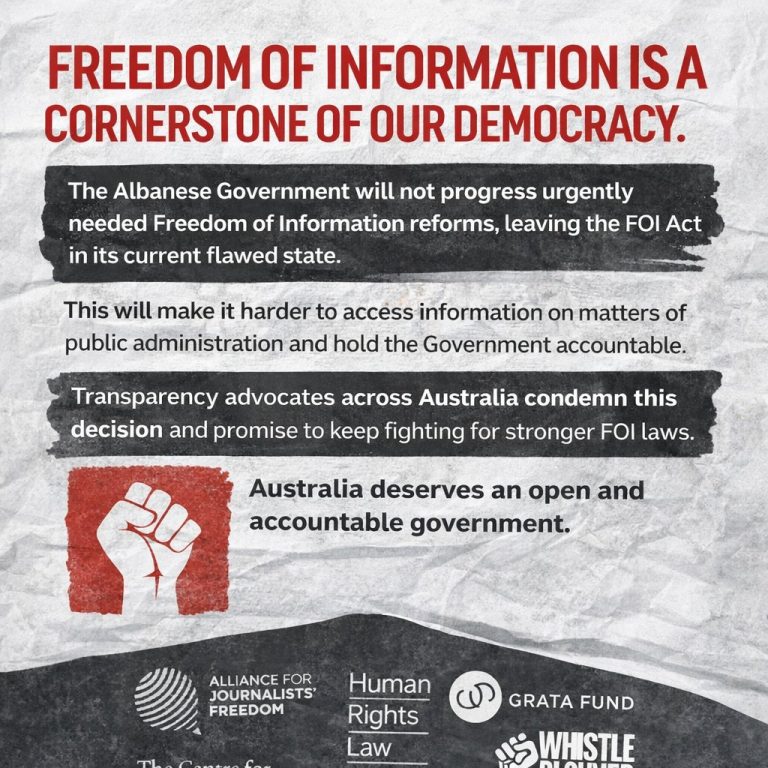
A win for democracy as Labor drops bill to restrict Freedom of Information
-
Australia on track to be world’s first nation to eliminate cervical cancer
-
Climate Action Week Sydney kicks off in March including two Ethinvest events – Join us!
-

Join Oxfam in calling on Australia’s super rich and big corporations to pay their fair share of tax
-

Trump’s USAID cuts and the anti-rights backlash have hit girls and women in Asia Pacific
-
AMP’s Shane Oliver on what the RBA’s interest rate hike means for Australia
Layout Example 3
-
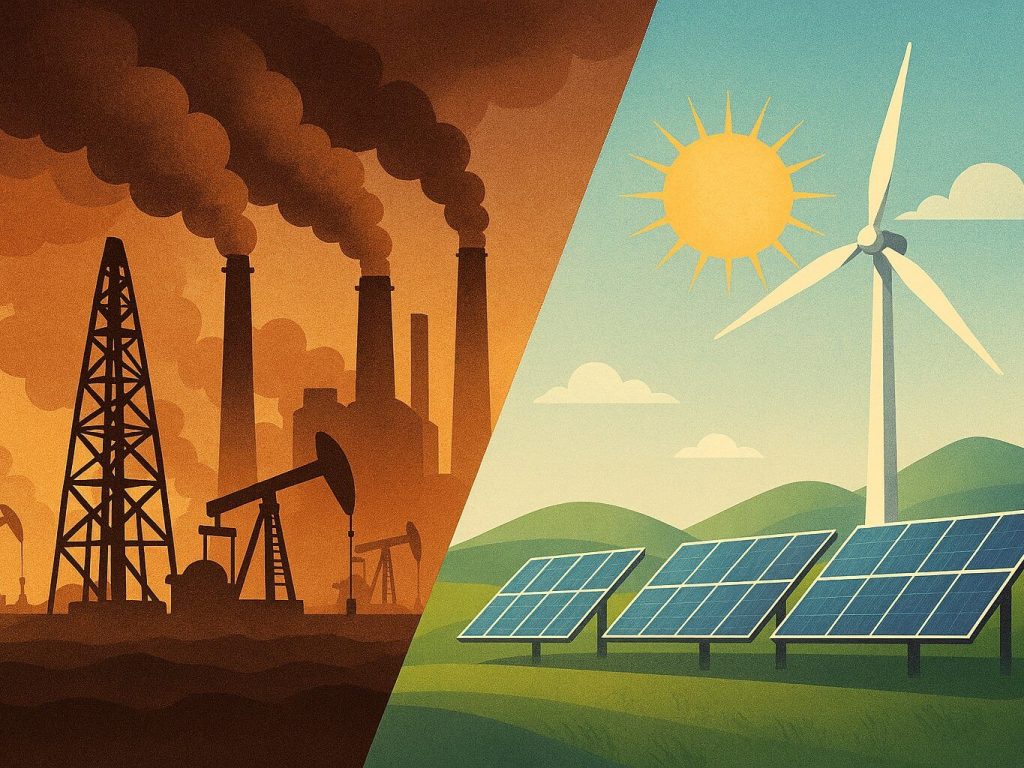
Middle East tensions force Australia to choose: electrostate or petrostate, as Tim Buckley says China’s electrostate dominance shows it is already winning the global energy war
As fighting in the Middle East continues to play havoc with global energy markets, Australia faces a stark choice about its energy future: move rapidly to becoming an electrostate dominated by home-generated, affordable and plentiful renewable energy and battery storage, or cling to exporting and importing coal, oil and gas. Australia’s Energy Vulnerability Comes Into…
-

Eight years in, a grassroots recycling program has become a beacon of what communities can do
When Banish first appeared eight years ago, it was less a business than the journey of one person’s frustration with what to do with her waste. Banish’s Sydney-based founder Lottie Dalziel was searching for clear information about sustainable living and ways to convert that knowledge into action. What began as an attempt to fill a…
-
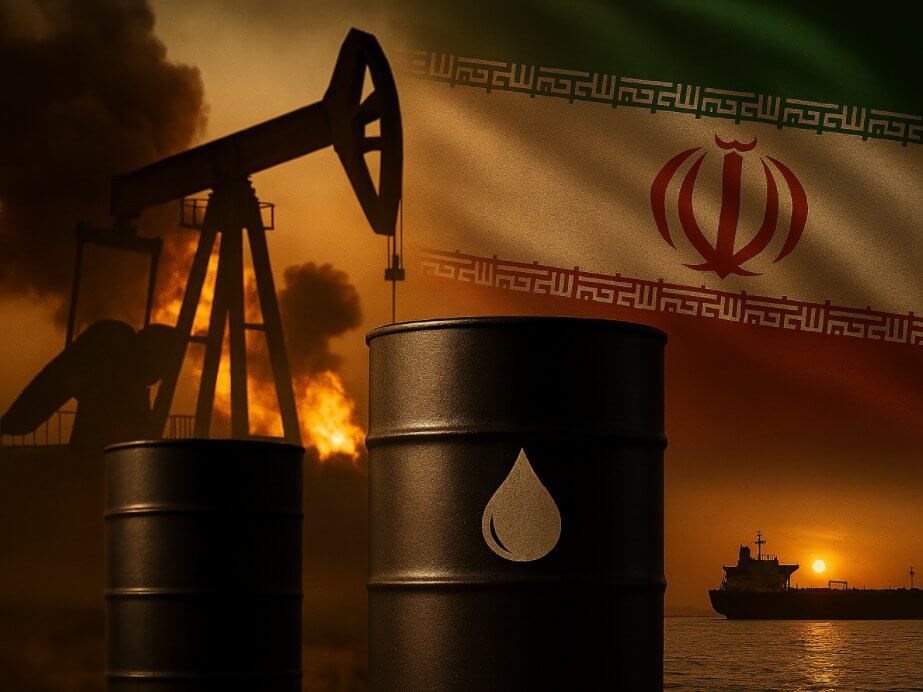
The Middle East conflict exposes our imported oil vulnerability and how electrification can provide energy stability
The world’s — and Australia’s — uncomfortable exposure to imported oil is no longer an abstract risk. As Israel‑U.S. strikes on Iran continue leading to a much broader regional conflict, we now face oil price spikes and even the prospect of running out of oil due to trade route disruption. With a fifth of the…
-
Regulator rejects fifth gas exploration seismic testing project in Victoria
A major gas exploration proposal for the Southern Ocean has become the fifth proposal of its kind to be rejected by the offshore regulator since 2012, after sustained opposition from south-west Victorian communities and environmental organisations. CGG Services submitted its Regia 3D Marine Seismic Survey (MSS) proposal in 2024, seeking approval to conduct seismic testing…
-
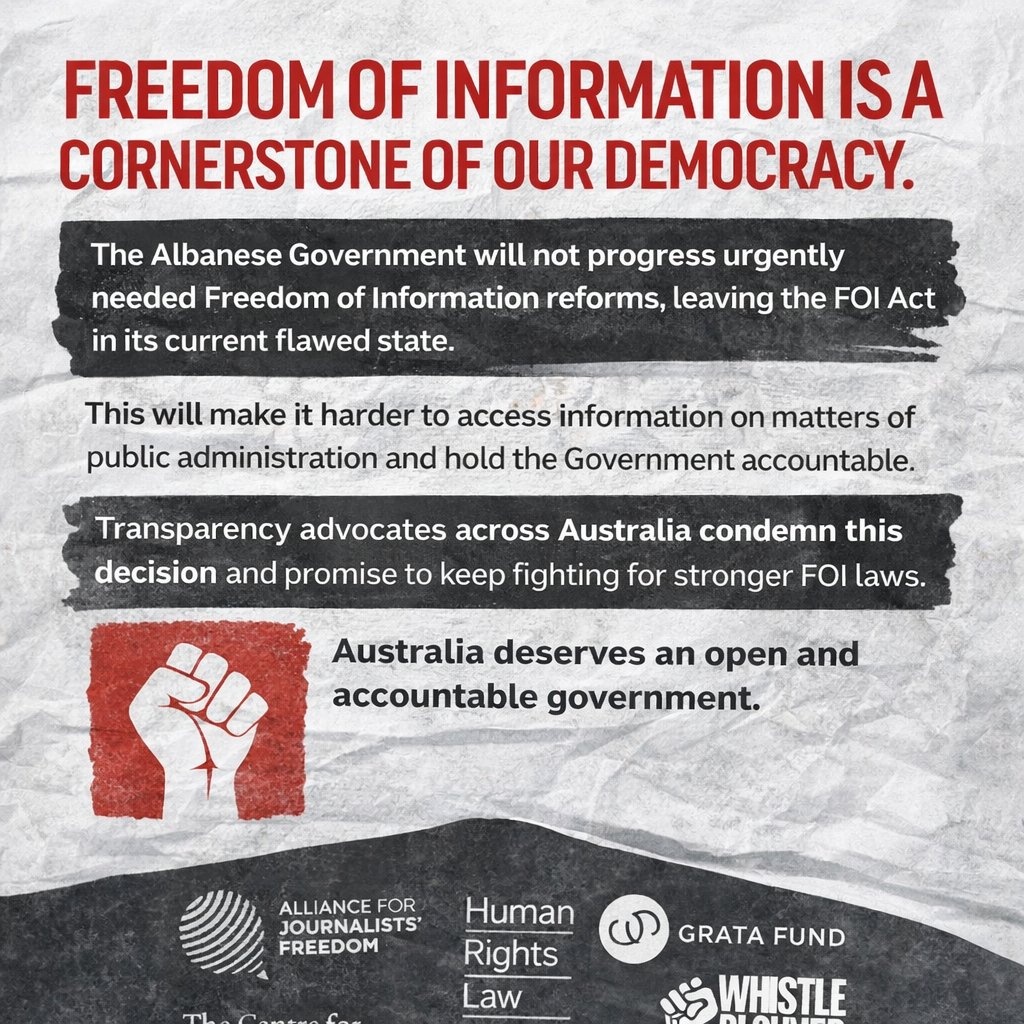
A win for democracy as Labor drops bill to restrict Freedom of Information
The Labor Party abruptly abandoned a contentious overhaul of the country’s freedom of information laws in March, backing down from a proposal that critics including the Centre for Public Integrity, warned would weaken public access to government documents and ensure even move secrecy. The proposed bill aimed to reshape the system created under Australia’s Freedom…
-
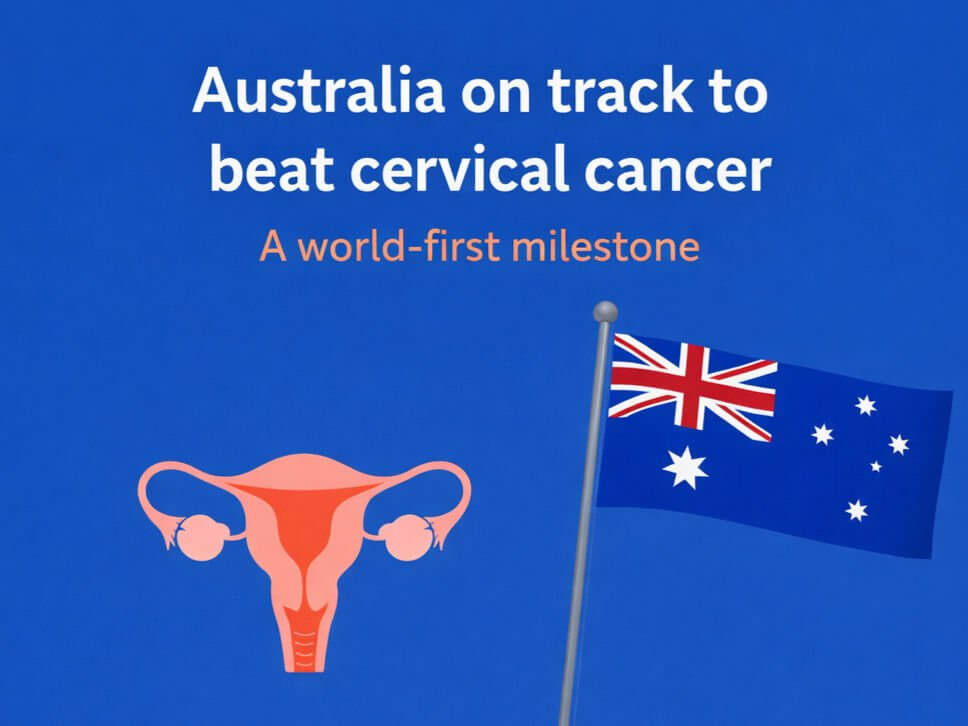
Australia on track to be world’s first nation to eliminate cervical cancer
Australia is rapidly approaching a milestone once considered out of reach: becoming the first nation in the world to eliminate cervical cancer as a public‑health problem by 2035 according to a new report. Decades of investment in prevention — most notably the rollout of the human papillomavirus (HPV) vaccine in 2007 — have pushed national…
-
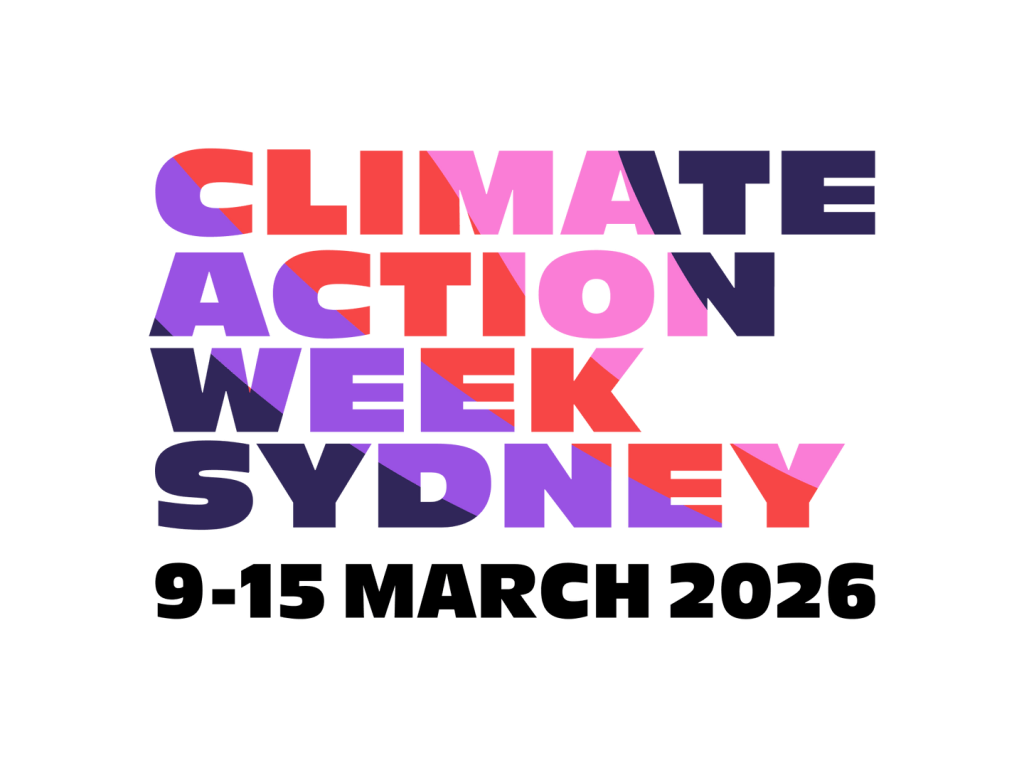
Climate Action Week Sydney kicks off in March including two Ethinvest events – Join us!
Climate Action Week Sydney (CAW) in its third year, kicks off on the 9th of March with an incredible line up of events for the public, individuals interested in the topic and experts keen to network with others in the field. Ethinvest is taking part in two CAW events. We are hosting a Financial Planning…
-
Join Oxfam in calling on Australia’s super rich and big corporations to pay their fair share of tax
A new Oxfam report shows that in 2025, average Australian billionaire wealth grew by over half a million dollars per day, and Australia’s 48 billionaires hold more wealth than the bottom 40% of our almost 11 million population combined. Meanwhile, ordinary households are cutting back on essentials and struggling with housing costs. It’s time to…
-
Trump’s USAID cuts and the anti-rights backlash have hit girls and women in Asia Pacific
Across the Asia–Pacific, adolescent girls are coming of age amid climate change shocks, economic strain, displacement and a growing global anti‑rights backlash. Many girls in our region face uncertainty about whether they can continue their education at all, according to Plan International Australia’s CEO Susanne Legena, and US aid cuts are a major cause. For…
-
AMP’s Shane Oliver on what the RBA’s interest rate hike means for Australia
The RBA’s decision to hike rates to 3.85% was no surprise with it being about 70% factored in by the money market and 22 of the 28 economists surveyed by Bloomberg expecting a hike. The decision to hike largely reflected the increase in annual inflation through the second half last year with quarterly trimmed mean…